Folate
A form of vitamin B9 naturally found in foods such as leafy green vegetables, legumes and asparagus. It is important for normal cell division and is especially important before and during pregnancy.
Omega-3 fatty acids
Essential fats found in foods such as oily fish, walnuts and some seeds. They are an important part of a balanced diet and support normal body functions.
Trans fats
A type of fat commonly associated with highly processed and fried foods. High intake of trans fats is generally not recommended as part of a healthy diet.
Unsaturated fats
Fats mainly found in foods such as olive oil, avocados, nuts and seeds. They are generally considered a healthier alternative to saturated and trans fats.
Plant-based protein
Protein obtained from plant foods such as beans, lentils, chickpeas, nuts and seeds rather than from meat, fish or dairy products.
Antioxidants
Substances that help protect cells from damage caused by oxidative stress. They are naturally present in many fruits, vegetables, nuts and seeds.
Phytonutrients
Naturally occurring compounds found in plants. They are present in foods such as fruits, vegetables, herbs, nuts and whole grains.
Fertility-friendly diet
A balanced eating pattern that provides nutrients important for overall health and reproductive function. No single food or diet can guarantee improved fertility.
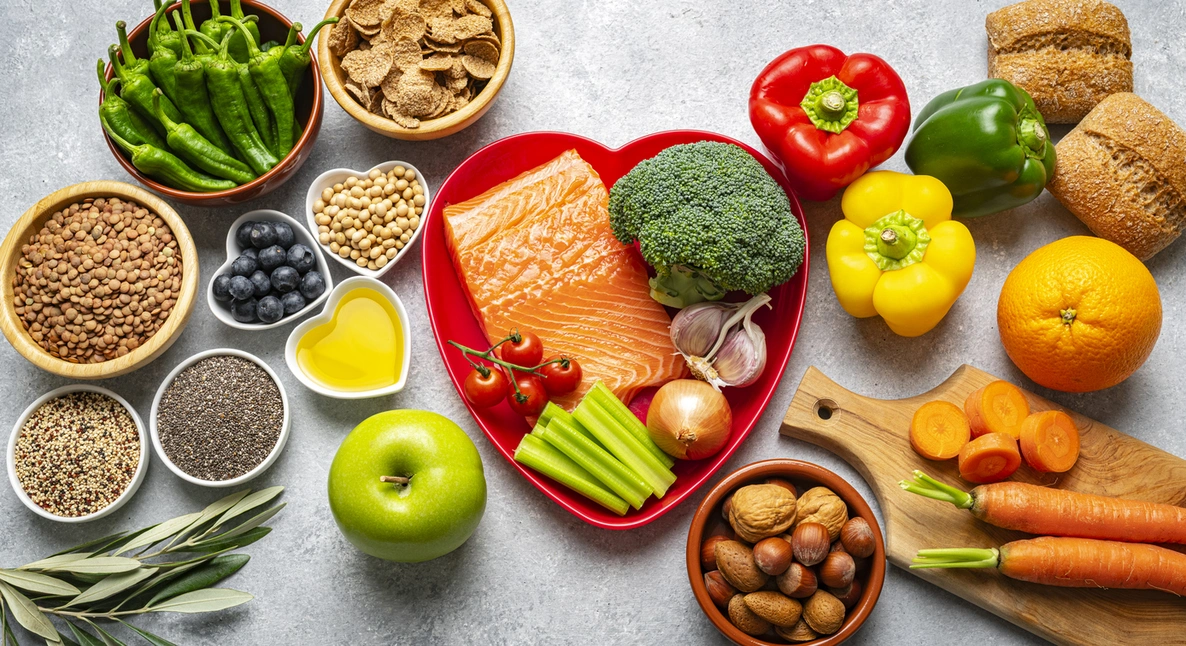
The basic principles of a fertility-friendly diet include:
-
Choose a diet rich in healthy fats and lower in carbohydrates.
- Avoid trans fats, commonly found in cakes, biscuits, pastries, pizza dough, fried foods, frozen processed foods and snacks.
- Include healthy fats in your diet, such as unsaturated vegetable oils like olive and canola oil, as well as avocados, walnuts, cashews, almonds, sesame seeds and pumpkin seeds.
- Eat more plant-based protein from foods such as beans and lentils, and reduce your intake of animal protein.
- Choose whole grains and foods that are high in fibre.
- Include full-fat dairy products in your daily diet.
- Get more iron from fruits, vegetables, beans and supplements, and less from red meat.
- Drink plenty of water.
- Avoid alcohol.
- Aim to maintain a healthy body weight.
- Make regular physical activity part of your daily routine.
Foods to Include in a Fertility-Friendly Diet
Salmon
Salmon is an oily fish rich in protein, omega-3 fatty acids and other essential fats that may support both male and female reproductive health.
Eggs
Eggs are a nutrient-dense food and a good source of protein, B vitamins, vitamin E, zinc and healthy fats.
Full-fat dairy products
Naturally full-fat dairy products such as butter, cream, whole milk and full-fat yoghurt provide protein as well as important nutrients including zinc, choline, selenium, vitamin A and vitamin D.
Nuts
Nuts are rich in protein, healthy fats and magnesium. Magnesium is an essential mineral that contributes to overall health and plays an important role in many processes within the body.
Asparagus
Asparagus is a good source of folate, an important nutrient for reproductive health and healthy fetal development.
Pomegranates
Pomegranates are rich in antioxidants and contain vitamin C, folate and potassium. Their antioxidant content may also support male reproductive health, including sperm quality.
Fruit
Fruits such as apricots, plums and berries are rich in antioxidants and anti-inflammatory phytonutrients. They also provide folate and vitamin C and can form part of a balanced diet that supports overall reproductive health.