

Age and Ovarian Reserve
Both the quantity (AMH level) and quality of eggs naturally decline over time, especially after age 35.
Overcoming Challenges to Growing Your Family
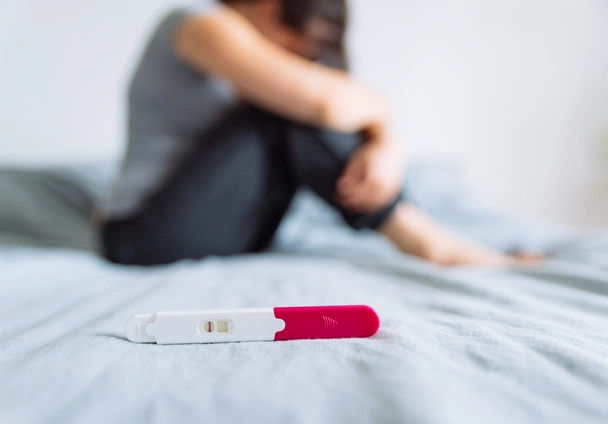
Secondary infertility is the inability to conceive or carry a pregnancy to term after having previously given birth without assistance. Common causes include age-related decline in egg quality, uterine changes after a C-section, or new male factors. At Gynatal Clinic (Timișoara), we provide personalized diagnostic roadmaps and advanced treatments, including IVF and IUI, to help you complete your family.
Secondary infertility can be unexpected and emotionally confusing. It is clinically defined as the inability to achieve pregnancy after 12 months of regular unprotected intercourse (or 6 months for women over 35) following one or more successful pregnancies.
At Gynatal, we emphasize that your previous reproductive history does not make your current struggle less valid.
Several factors can contribute to secondary infertility, often overlapping to reduce the chance of a new conception:
Both the quantity (AMH level) and quality of eggs naturally decline over time, especially after age 35.
Previous births, particularly Cesarean sections, can lead to intrauterine adhesions or inflammation. Pelvic infections or endometriosis can also block fallopian tubes over time.
Male fertility is not permanent. Lifestyle changes, new medical conditions, or advanced paternal age can affect sperm count and DNA integrity.
Conditions like PMOS (formerly known as PCOS) can cause unpredictable ovulation even if it was regular before.

We recommend scheduling a fertility consultation at Gynatal if:
- You are under 35 and have been trying for 12 months.
- You are over 35 and have been trying for 6 months.
- You have irregular cycles, a history of pelvic surgery, or known endometriosis.
Our diagnostic process focuses on identifying what has changed since your last pregnancy:
As a part of the FutureLife network, Gynatal offers world-class solutions tailored to your diagnosis:
Yes. Sperm quality can decline due to health changes, lifestyle, or age. A semen analysis is a standard part of our evaluation for secondary infertility.
We treat patients up to 45 years old using their own eggs and up to 50 years old for donor egg programs.
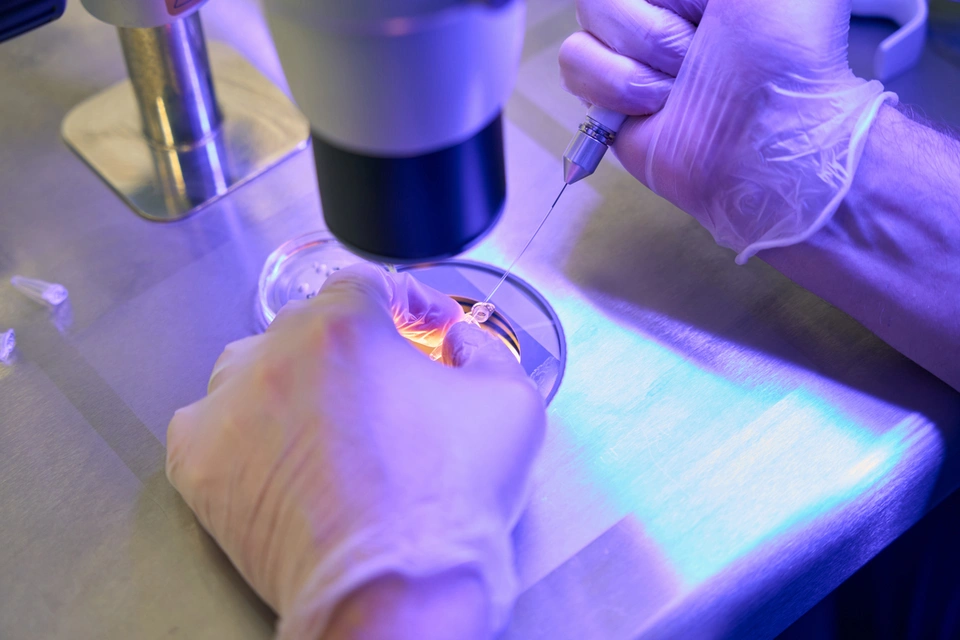
Yes, the inflammatory environment caused by the condition can alter the quality of the oocytes. This is why personalized laboratory techniques in IVF are crucial.