

None

Urology and andrology at Gynatal Clinic (Timișoara) specialize in diagnosing and treating male infertility, a condition affecting 1 in 3 infertile couples. 

 Led by experts like Dr. Tucicovschi Vlad, we provide advanced diagnostics including spermograms, Halosperm DNA fragmentation tests, and surgical sperm retrieval (TESE/PESA).  

The Essential Role of Andrology in Your Fertility Journey 

Male fertility is a sensitive indicator of a man’s general health, hormonal balance, and even longevity. At Gynatal, we move beyond the standard spermogram to investigate the "invisible" barriers to conception. Since sperm cells regenerate approximately every 74 to 90 days, many male factor issues can be significantly improved through targeted medical intervention and lifestyle optimization. 

Precision Diagnostics for Male Factor Infertility

We minimize patient anxiety by providing a streamlined, four-step evaluation process at our Timișoara clinic: 
None

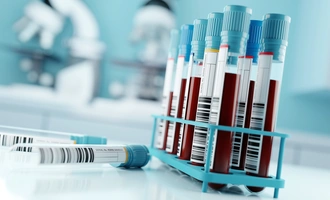
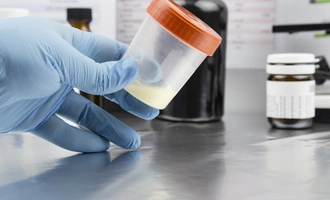
Specialized Semen Analysis (Spermiogram)

The cornerstone of diagnosis, measuring concentration, motility, and morphology. 

  • Standard Spermogram 
  • Spermogram with Processing 
  • Halosperm Test: Evaluates Sperm DNA Fragmentation. High fragmentation levels can lead to embryo developmental arrest and recurrent miscarriages, even if the standard spermogram appears normal. 
fertility journey

Advanced Imaging and Clinical Exams

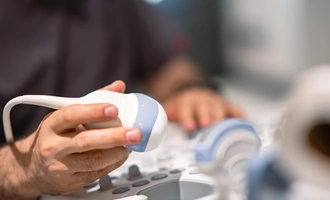
  • Scrotal and Doppler Ultrasound: To detect varicoceles (dilated veins) or structural abnormalities that impair sperm production. 
  • Transrectal Ultrasound: Assessing prostate health and identifying obstructions in the sperm pathways. 
  • Physical andrological examination: assessement of testicular size, consistency and the presence of varicoceles or other clinical findings affecting fertility 
  • Medical history review: evaluating previous surgeries, infections, medications, lifestyle factors and reproductive history to guide further investigations 
None

Hormonal and Genetic Screening

  • Hormonal profile: FSH, LH, testosterone, prolactin, estradiol and TSH to assess testicular and endocrine function 
  • Genetic testing: karyotyping and Y – chromosome microdeletion analysis for severe oligozoospermia or azoosperia 
  • CFTR gene testing: when congenital absence of the vas deferens or obstructive azoospermia is suspected 
  • Personalized treatment planning 

Surgical Sperm Retrieval: Hope for Azoospermia 

For men with no sperm in the ejaculate, our urology team, led by Dr. Tucicovschi Vlad, performs minimally invasive procedures to retrieve viable gametes directly from the source: 

  • PESA / TESA: Needle aspiration from the epididymis or testicle, ideal for obstructive azoospermia. 

  • TESE (Testicular Sperm Extraction): A small biopsy to find "foci" of sperm production in non-obstructive cases. The Gynatal Edge: Once retrieved, these sperm can be used in ICSI or IMSI (6000x magnification) to achieve fertilization rates comparable to normal samples. 


Frequently Asked Questions (FAQ) 

Are male fertility tests painful?
Most assessments, including spermograms and blood tests, are completely painless. Ultrasounds are non-invasive, and surgical retrievals are performed under local anesthesia or light sedation for total comfort. 
Because it takes about 3 months for new sperm to mature, improvements following lifestyle changes or medical treatment are typically seen in a follow-up spermogram 90 days later.