KIR-HLA-C and Reproductive Immunology
The Science of Embryo Acceptance
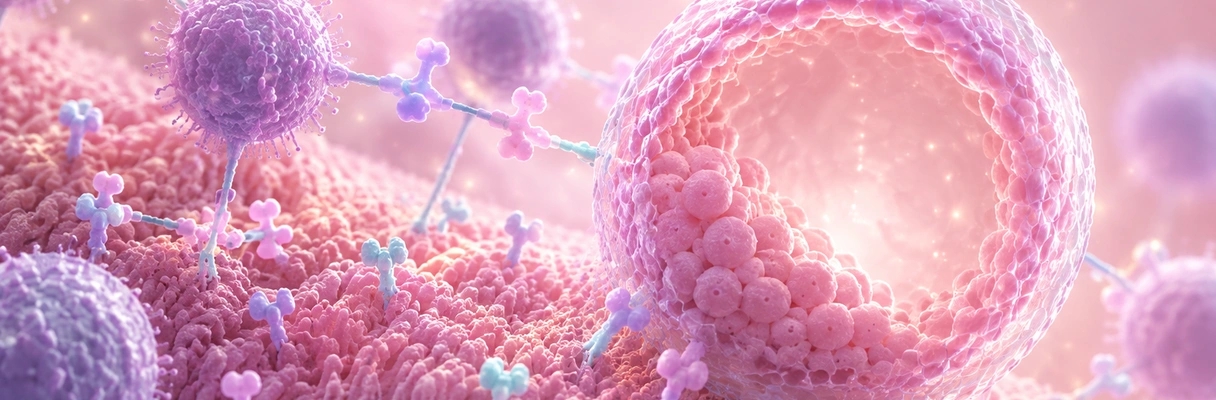
KIR-HLA-C typing at Gynatal Clinic (Timișoara) is an advanced diagnostic tool used to evaluate the immunological compatibility between maternal uterine NK cells (KIR receptors) and the embryo's HLA-C molecules. This interaction is essential for successful placentation. For patients with recurrent pregnancy loss or RIF, managing these immune factors through personalized immunotherapy can significantly improve the probability of a successful live birth.
Why KIR-HLA-C
compatibility matters in IVF?
Successful implantation is not solely a matter of embryo quality; it also requires the maternal immune system’s ability toestablish tolerance toward the developing embryo.. The primary mediators of this process are uterine Natural Killer (NK) cells, which interact with HLA-C antigens present on the surface of the embryo.
How KIR and HLA-C influence implantation
Certain maternal KIR genotypes combined with specific fetal HLA-C variants have been associated with impaired trophoblast invasion, recurrent implantation failure, recurrent pregancy loss and an increased risk of placental disorders usch as preeclampsia.
Diagnostics and Management at Gynatal
When is KIR-HLA-C testing recommended?
- Recurrent Implantation Failure (RIFPrecurrent pregnancy loss (RPL)
- Previous IVF failure despite euploide embryos
- Severe placental complications
- Family history suggestive of immune-related pregnancy disorders
Integrating KIR0HLA-C with advanced fertility diagnostics
- PGT-A – embryo genetics
- ERA – implantation timing
- imMAP – microbiome
- IHC/CD 138 – chronic inflammation
- KIR-HLA-C – immune compatibility
Synergy with Hematology and Genetics
At Gynatal, the management of KIR-HLA-C factors is closely integrated with our Hematology department, led by Dr. Ghilezan Florica, and our genetic counseling services.
- Hematological Link: Immunological imbalances often coexist with conditions like thrombophilia, where micro-clots combined with activated NK cells prevent proper placental development.
- Comprehensive Assessment: Our Information Foraging strategy recommends that patients with a history of loss combine immune screening with a complete thrombophilia profile (including Factor V Leiden and MTHFR).