

Personalized IVF Protocols
Standard protocols often do not work for low-reserve patients. We utilize adapted stimulation dosages and strategies—such as mini-IVF or modified natural cycles—to collect the highest quality eggs possible.
Personalized Treatment Pathways in Timișoara
Low ovarian reserve indicates a reduced number of available eggs in the ovaries, often identified through low AMH levels and a low Antral Follicle Count (AFC). While it can make natural conception challenging, it is not an absolute barrier to pregnancy. At Gynatal Clinic (Timișoara), we specialize in tailored IVF protocols and innovative treatments like Ovarian PRP to maximize success with your own eggs.
Ovarian reserve refers to the quantity of eggs a woman has at a specific point in time. This reserve naturally declines as part of the aging process. A diagnosis of low ovarian reserve (DOR) means that testing suggests a smaller-than-expected supply of eggs for your age, which can affect the ovaries' response to fertility stimulation.
It is important to remember that low reserve primarily measures quantity, not necessarily egg quality—though both are closely linked to age.
While natural aging is the most common cause (especially after age 35), several other factors can accelerate the decline:
At Gynatal, we believe that an accurate diagnosis is the cornerstone of effective treatment. We use a combination of "Scientific Gold Standard" tests:
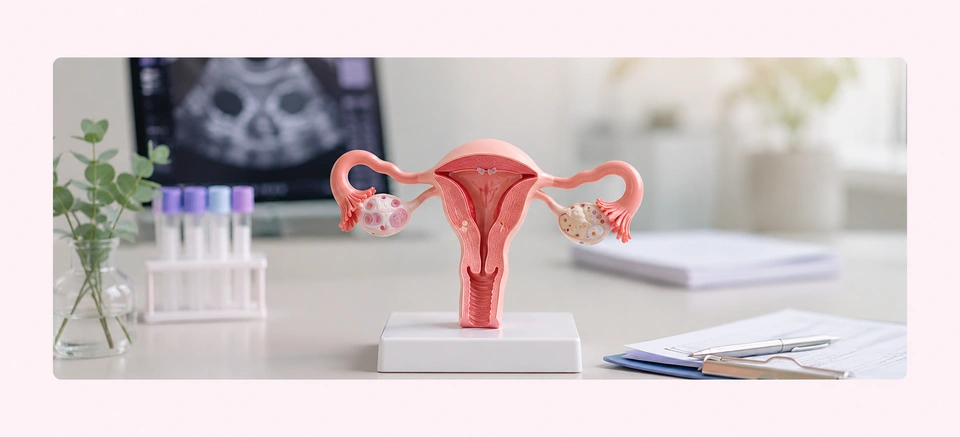
Having a low ovarian reserve requires a proactive and precise medical approach. Led by Dr. Florin Dorneanu, our team designs individualized roadmaps to optimize your chances:
Standard protocols often do not work for low-reserve patients. We utilize adapted stimulation dosages and strategies—such as mini-IVF or modified natural cycles—to collect the highest quality eggs possible.
For patients with critical reserves, we offer innovative Ovarian PRP (Platelet-Rich Plasma) therapy. This procedure aims to stimulate "dormant" follicles by injecting autologous growth factors directly into the ovarian cortex, potentially improving the response to future stimulation.
If you are diagnosed with a declining reserve but are not ready for parenthood today, egg vitrification allows you to preserve your best current biological potential for the future.
In cases where the reserve is severely depleted, oocyte donation offers a 60–65% success rate per transfer, providing a highly effective route to motherhood.
Yes, pregnancy is still possible, but the window of opportunity is shorter. Timely assessment is vital to deciding if natural attempts or assisted reproduction (IVF) is the safest path.
The total number of eggs cannot be increased, but the quality and the activation of existing follicles can be optimized through targeted medical strategies and lifestyle adjustments.
Evaluation is recommended for anyone over 30 planning future motherhood, or at any age if you have irregular cycles or a history of ovarian surgery.