Advanced Sperm Selection
The Science of Life at Gynatal Timișoara
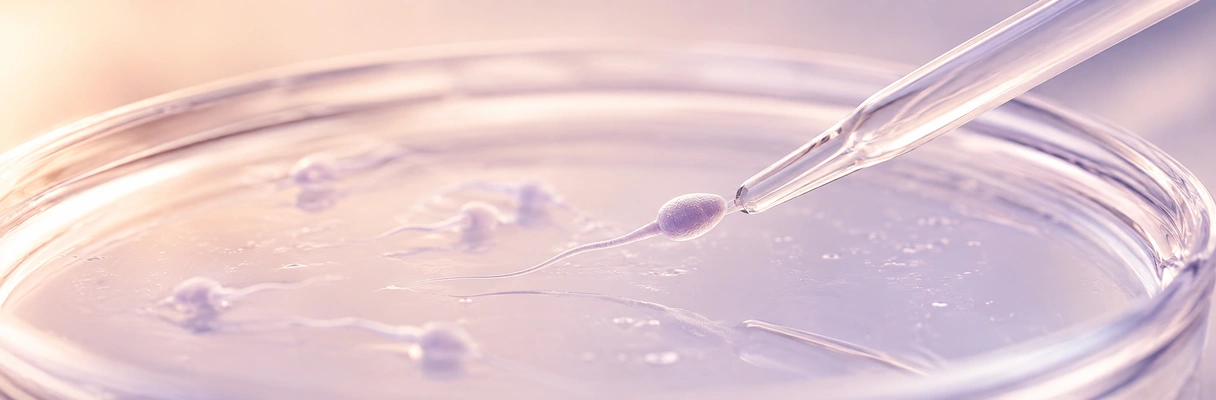

Sperm selection at Gynatal Clinic (Timișoara) utilizes high-precision techniques including IMSI (6000x magnification), PICSI (hyaluronan binding), and ZyMot (microfluidics) to isolate the most genetically stable cells. These methods bypass standard morphological limits, significantly reducing DNA fragmentation and improving fertilization rates. Guided by the Halosperm test, these advanced interventions are essential for couples with severe male factor infertility or previous IVF failures.
Beyond the Standard ICSI: Why Selection Matters
While standard ICSI relies on 400x magnification to assess sperm motility and basic shape, it cannot detect internal structural defects or high DNA fragmentation. Advanced selection techniques are the "Scientific Gold Standard" for identifying sperm with the highest developmental potential.
IMSI: Ultra-High Resolution Selection
IMSI (Intracytoplasmic Morphologically Selected Sperm Injection) uses a high-performance microscope with 6000x magnification.
-
The Detail: It allows embryologists to see internal vacuoles in the sperm head, which are markers of DNA damage.
-
Indication: Recommended for severe teratozoospermia or previous failed ICSI cycles.
PICSI: Physiological Selection
PICSI mimics the natural biological filter of the female reproductive tract.
-
Mechanism: Only mature, biochemically stable sperm can bind to hyaluronan.
-
Benefit: Bound sperm are significantly more likely to have intact DNA and a correct chromosomal count.
ZyMot: Microfluidic Sorting
The ZyMot device uses microfluidic channels to let the healthiest sperm "swim" through natural barriers.
-
Advantage: It avoids the mechanical stress of centrifugation, which can induce oxidative stress and further break DNA strands.
-
Result: Provides a sample with the lowest possible DNA fragmentation index (DFI).
MACS: Magnetic-Activated Cell Sorting
MACS is an innovative technique that removes sperm cells that are beginning to die (apoptosis).
-
How it works: Magnetic beads coated with Annexin V bind to damaged sperm. A powerful magnet then pulls these cells away, leaving only the healthy, non-apoptotic sperm for use in IVF.
-
Impact: Dramatically reduces miscarriage rates in the first trimester by ensuring the embryo is formed from high-integrity genetic material.
The Diagnostic Roadmap: Halosperm Test
To decide which selection technique to use, we perform the Halosperm test to measure the DNA Fragmentation Index (DFI).
-
DFI < 15%: High quality; standard fertilization is usually sufficient.
-
DFI > 30%: High fragmentation; advanced selection (ZyMot, PICSI, or MACS) is strongly recommended to avoid cycle failure.