


Bioimpedance Analysis
Precise measurement of fat-to-muscle ratio and cellular hydration.
The Biological Foundation for Reproductive Success
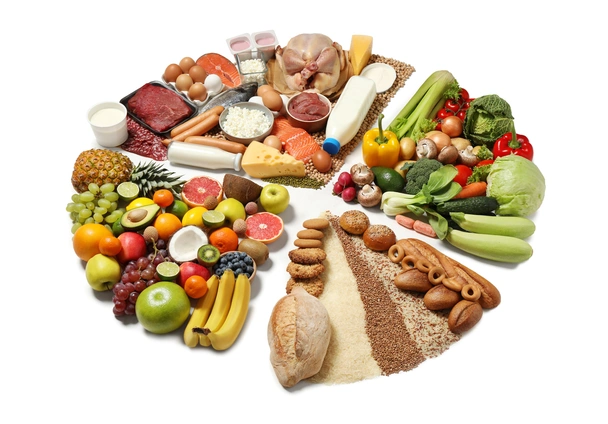
Fertility nutrition at Gynatal Clinic ()is an integrative approach led by specialist Bugi Meda. By adopting the Mediterranean diet—the "Scientific Gold Standard"—clinical pregnancy rates can increase from 29% to 50%. Our protocols focus on a 90-day preparation window to correct micronutrient deficiencies, manage BMI, and optimize egg and sperm DNA integrity.
The process of egg maturation (oogenesis) and sperm production (spermatogenesis) takes approximately 90 to 100 days. This period represents a critical "window of opportunity" where future parents can dramatically improve the biological environment of their gametes by reducing oxidative stress and toxins through targeted nutrition. At Gynatal, we believe that preparing the "soil" is just as important as the embryo itself.
We don't promote restrictive diets; we implement evidence-based nutritional models. Clinical studies show that high adherence to a Mediterranean diet among couples undergoing IVF can increase the likelihood of pregnancy and live birth to 50% (compared to 29% for standard diets).
Key Components: Healthy fats (extra virgin olive oil, avocado), omega-3 fatty acids from fatty fish, whole grains, and plant-based proteins.
What to Avoid: Trans-fats found in processed foods, refined sugars that trigger insulin spikes, and excessive caffeine or alcohol.
Body Mass Index (BMI) is a primary driver of hormonal balance and embryo implantation success.
Female Fertility: Adipose tissue secretes estrogen; excess body fat can lead to anovulation. Reducing weight by even 10% can often restore natural ovulation and decrease miscarriage risks.
Male Fertility: Obesity is linked to reduced sperm count and motility in 50% of cases and significantly increases sperm DNA fragmentation.
Our nutritional plans are reinforced by targeted supplementation based on blood work and nutrigenetic markers:
Coenzyme Q10: May support mitochondrial function in oocytes, recommended for patients over 35.
Vitamin D: Levels below 20 ng/mL negatively impact endometrial receptivity.
Myo-inositol: A vital tool for improving egg quality in patients with PCOS/PMOS.
Omega – 3 Fatty acids: may help reduce chronic inflammation and support overal reproductive health in selected patients
Folate: recommended before conception to support early fetal development and reduce the risk of neural tube defects
Precise measurement of fat-to-muscle ratio and cellular hydration.

A non-invasive method to identify mineral deficiencies or food sensitivities.
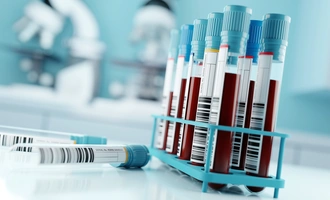
Precise timing of tests (e.g., cycle day 2–3) for FSH, AMH, LH, Estradiol, progesterone, prolactin, TSH, FT4, Androgens