Miscarriage
Understanding Early Pregnancy Loss and Your Path Forward


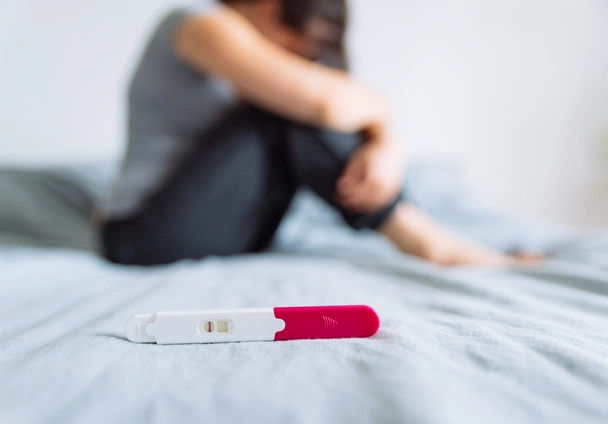
A miscarriage is the spontaneous loss of a pregnancy before the 24th week of gestation. Statistically, 15–30% of fertilized eggs do not lead to a viable pregnancy, with chromosomal abnormalities in the embryo being the primary cause. At Gynatal Clinic (Timișoara), we offer expert evaluation and advanced screening, such as ni-PGT-A, to identify underlying factors and support your journey toward a healthy delivery.
What is a Miscarriage?
A miscarriage is an early pregnancy loss that occurs before the fetus is viable. It is a frequent biological event; approximately 40–50% of embryos are lost even before a woman expects her next period, and another 20-25% are lost shortly after a missed period. At Gynatal, we believe that understanding the high frequency of these events is the first step in reducing the emotional burden and self-blame that many women feel.
Why Do Miscarriages Happen?
Early pregnancy loss is rarely caused by stress or daily physical activity. Instead, it is usually the result of complex biological factors:
- Embryo Chromosomal Factors: The most significant cause, accounting for the majority of early losses. An embryo may have an incorrect number of chromosomes, which stops its development.
- Maternal Age: As egg quality naturally declines with age (especially after 35–37), the risk of chromosomal errors and subsequent miscarriage increases.
- Anatomical Factors: Uterine fibroids, polyps, or congenital anomalies (like a uterine septum) can interfere with the embryo's ability to implant or develop.
- Male Factor: Sperm DNA: High levels of Sperm DNA Fragmentation can contribute to developmental arrest of the embryo and early loss.
- Endocrine disorders: thyroid disease, uncontrolled diabetes or hormonal imbalances may increase the risk of pregnancy loss
- Immune and blood clotting disorders: such as antiphospholipid syndrome
When Should You Consult a Specialist?
While a single miscarriage is often a one-time event, early evaluation can provide peace of mind and protect your future fertility. We recommend a specialized consultation if:
- Two or more pregnancy losses
- You are over the age of 35.
- The loss occurred after an IVF treatment.
- Known uterine abnormalities or endometriosis
- Family history of genetic disorders
- Previous pregnancy affected by chromosomal abnormalities

Advanced Solutions: Preventing Future Losses
Gynatal is a leader in implementing "Scientific Gold Standards" to minimize the risk of subsequent miscarriages:
- Genetic counseling and Karyotyping
- High-resolution ultrasound and hysteroscopy
- Endometrial biopsy and chronic endometritis assesssment
- Hormonal evaluation
- Antiphospholipid syndrome screening
- Sperm DNA fragmentation testing
- Advanced embryology technologies when IVF is indicated
Frequently Asked Questions (FAQ)
Could I have done something to prevent my miscarriage?
In most cases, no. Most early losses are due to chromosomal abnormalities that are outside of your control. Professional medical evaluation is essential to identify if there are treatable factors for your next pregnancy.
When is it safe to try again?
Medically, many patients can try again after one or two normal menstrual cycles. However, it is vital to ensure you are also emotionally ready.
Does one miscarriage mean I will have another?
No. Most women who have one miscarriage go on to have a healthy, successful pregnancy. The risk of a second loss remains relatively low, but specialized screening can further reduce this uncertainty.