
Day 0 (Puncture Day)
Egg retrieval and fertilization occur via the selected method.
The Science of Life at Gynatal Timișoara

Egg fertilization at Gynatal Clinic (Timișoara) is performed in a world-class Clean-Room laboratory using Conventional IVF or ICSI methods. Led by a specialized embryology team, we utilize AI-driven selection and advanced techniques like IMSI and PICSI to maximize fertilization rates even in complex cases of male infertility. Successful fertilization is confirmed 16–18 hours post-procedure, paving the way for blastocyst transfer.
The choice of fertilization method at Gynatal is never random; it is based on a deep analysis of the spermogram and patient history to minimize cognitive friction and maximize success.
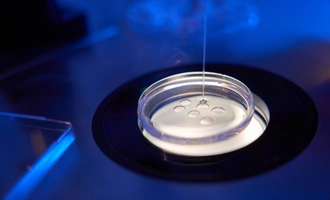
This method mimics natural fertilization. Oocytes are placed in a culture medium with a precisely defined concentration of sperm, where the most vital sperm cell penetrates the egg on its own. This is recommended for cases with optimal semen parameters.
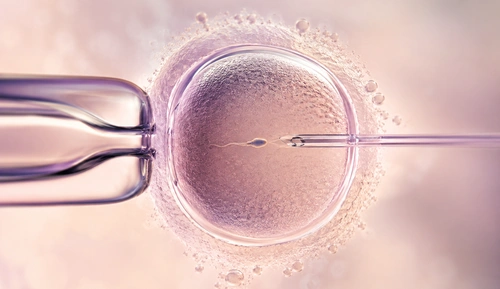
ICSI is a microsurgical procedure where an embryologist uses a micromanipulator to inject a single, selected sperm cell directly into the cytoplasm of a mature egg. This method is the "Scientific Gold Standard" for overcoming male factor infertility or previous fertilization failures.
For patients requiring a higher tier of care, such as those with Recurrent Implantation Failure (RIF), we deploy techniques that go beyond standard ICSI:
Egg retrieval and fertilization occur via the selected method.
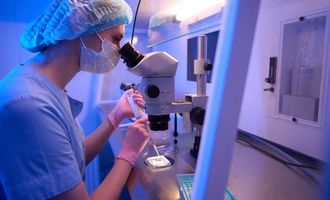
16–18 hours post-ICSI, embryologists check for the presence of two pronuclei under the microscope, confirming successful fertilization.
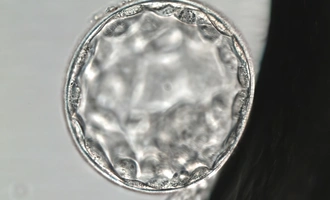
Continuous monitoring of embryo development (often using EmbryoScope) until the blastocyst stage, when implantation potential is highest.