


None

Frozen Embryo Transfer (FET) at Gynatal Clinic (Timișoara  offers pregnancy success rates up to 53.21% for women under 35. Using advanced vitrification technology with a 99.8% embryo survival rate, FET allows the woman's body to recover from stimulation, providing a more natural uterine environment for implantation. The procedure is painless, anesthesia-free, and costs 4,500 RON. 

Why Choose Frozen Embryo Transfer (FET)?

At Gynatal, we often recommend the "Freeze-All" strategy, especially for patients at risk of OHSS or those with high progesterone levels during stimulation. Modern reproductive science shows that transferring embryos in a subsequent,

The Benefits of FET at Gynatal: 

  • Superior Success Rates: Our FET results often exceed fresh transfer outcomes due to optimized endometrial preparation. 

  • Safety First: We utilize ultra-rapid Vitrification, achieving a survival rate of 99.8% upon thawing. 

  • Physical Recovery: FET allows your hormonal levels to return to baseline after ovarian stimulation. 

  • Genetic Testing (PGT-A): FET is a mandatory step for patients undergoing non-invasive genetic screening (ni-PGT-A) to ensure only healthy embryos are transferred. 

The FET Process: A Step-by-Step Roadmap

We minimize patient anxiety by providing a transparent diagnostic and treatment journey: 

None

Endometrial Preparation

We customize the preparation based on your biological profile: 

  • Natural Cycle FET: For women with regular ovulation, we track your body's natural rhythm via ultrasound. 
  • Modified Natural Cycle FET: For women who ovulate but require cycle optimization, mild ovarian stimulation may be used to promote follicular development and allow precise ovulation triggering for optimal transfer timing. 
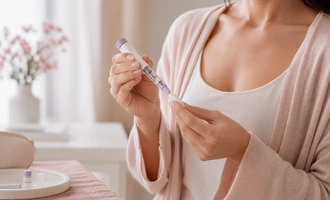
  • Medicated Cycle FET: For irregular cycles, we use gentle estrogen and progesterone support to build the ideal endometrial thickness (optimally 7–12 mm). 
fertility journey

Precision Thawing

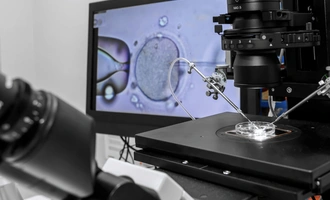
On the day of the transfer, our elite embryology team, led by Lect. Univ. Dr. Delia Huțanu, thaws the vitrified embryo. Our laboratory standards ensure that the embryo retains its full biological potential. 

fertility journey

Ultrasound-Guided Transfer

The transfer is a quick, 5-minute procedure. Using a fine catheter, the embryo is placed precisely into the uterus under ultrasound guidance. No anesthesia is required, and the procedure is described by patients as painless. 

Success Rates: Evidence-Based Excellence

Our 2023 clinical data reflects the high standards of our FutureLife network laboratory:

Women under 35

53.21% success rate per transfer.

Women 35–39

47.22% success rate per transfer.

Women > 40 years

37.09% success rate per transfer.

Frequently Asked Questions (FAQ)

Does freezing damage the embryo?

No. Our advanced vitrification technology prevents ice crystal formation. At Gynatal, we see a survival rate of 99.8%. 

Usually, you can proceed as soon as your next menstrual cycle, allowing for a short period of physical and emotional recovery. 

Some patients experience mild cramping or spotting, which is often a side effect of progesterone support and not necessarily an indicator of success or failure.