


None

Male fertility testing at Gynatal Clinic (Timișoara, Romania) offers comprehensive diagnostics including standard spermograms, spermocultures, and advanced Halosperm DNA fragmentation tests. Our urological specialists identify pre-testicular, testicular, and post-testicular factors to create personalized treatment plans, including ICSI, IMSI, or surgical TESE/PESA for complex cases. 

Why Male Fertility Evaluation is Essential

Male factors contribute to approximately 50% of all infertility cases. At Gynatal, we believe that understanding male fertility is not just about conception—it is a vital indicator of a man’s general health, hormonal balance, and even longevity. 

When to Consider Testing? 

Medical guidelines suggest an evaluation if: 

  • You and your partner have been trying to conceive for 12 months (or 6 months if the female partner is over 35). 

  • There is a history of infections, varicocele, or testicular trauma. 

  • You are exposed to high-risk environments (heat, toxins, or radiation). 

  • You wish to preserve fertility via Social Freezing before medical treatments or vasectomy. 

Diagnostic Procedures at Gynatal

Our state-of-the-art laboratory provides high-precision results to minimize "Cognitive Friction" and provide clear answers quickly. 

fertility journey

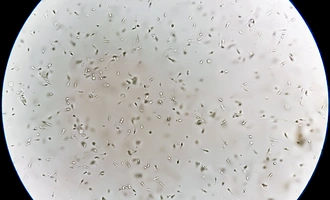
Semen Analysis (Spermiogram)

The primary fertility test assessing sperm count, shape (morphology), and motility. 

  • Abstinence: 2 to 5 days are recommended for accurate results. 
  • Collection: Performed in a private, comfortable, and discreet room at our clinic. 
fertility journey

Advanced DNA Integrity (Halosperm Test)

Standard analysis may miss hidden genetic factors. The Halosperm test evaluates DNA fragmentation, which is a common cause of repeated IVF failure or first-trimester miscarriages. 

  • Recommended for: Unexplained infertility or advanced paternal age (over 40). 
None

Urological and Hormonal Assessment

Our specialists, including Dr. Tucicovschi Vlad, performs a comprehensive urological evaluations to identify treatable causes of male infertility and guide the most apropriate treatment

  • Hormonal Profile: Evaluation of FSH, LH Testosterone and Prolactine to verify testicular function. 
  • Scrotal Ultrasound: detection of varicocele, testicular abnormalities or obstructive conditions 
  • Genetic Testing: Karyotype, Y chromosome microdeletion and CFTR analysis when clinically indicated 
  • Personalised Treatment Plan: based on clinical, hormonal and laboratory findings 

Solutions for Severe Male Infertility (Azoospermia)

Even if the spermogram shows a zero sperm count (azoospermia), our clinic provides advanced surgical retrieval options: 

  • PESA / TESA: Minimally invasive aspiration from the epididymis or testicle. 

  • TESE / MicroTESE: Surgical biopsy to find isolated pockets of sperm production. 

  • Individualized Surgical Approach 

  • Sperm Cryopreservation 

  • Same-Day IVF Coordination 

Frequently Asked Questions (FAQ)

Are male fertility tests painful?

Most tests, like blood work and spermograms, are painless. Minor surgical procedures like TESE are performed under anesthesia or sedation for total comfort. 

Yes. Sperm production takes approximately 74–90 days. Changes such as quitting smoking, reducing alcohol, and a balanced diet can significantly improve sperm quality within 3 months. 

Basic spermograms are typically available within a few days, while genetic testing or biopsies may take longer.