

Tailored Stimulation
Individualized stimulation protocols are designed to maximize oocyte yield while protecting ovarian reserve and minimizing excesive estrogen exposure.
Expert Diagnosis and Treatment in Timișoara
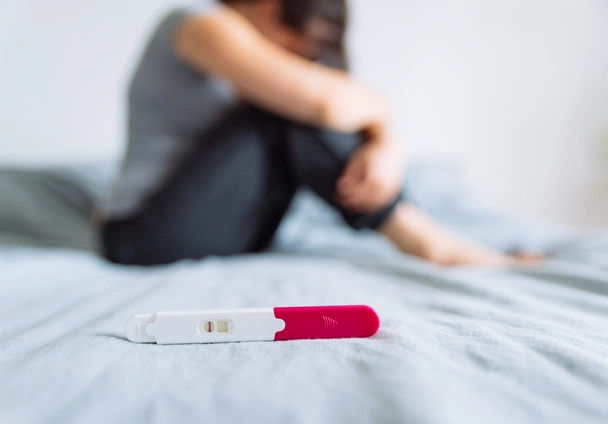
Endometriosis affects 30–50% of women struggling to conceive, often causing adhesions, inflammation, and reduced egg quality. At Gynatal Clinic (Timișoara), we provide expert diagnosis through high-resolution transvaginal ultrasound, with pelvic MRI performed when clinically indicated to create personalized treatment plans. When infertility is present, IVF may offer the highest chance of pregnancy for selected patients while helping preserve ovarian reserve.
Endometriosis is a chronic inflammatory condition where tissue similar to the uterine lining grows outside the uterus—on the ovaries, fallopian tubes, or pelvic organs. While the most common symptom is intense pelvic pain (during periods or intercourse), endometriosis is also one of the leading causes of female infertility.
The condition affects your ability to conceive through several complex mechanisms:
At Gynatal, we believe that the first stepis understanding the extent of the disease and your reproductive goals.
Our evaluation is tailored to each patient and may include:
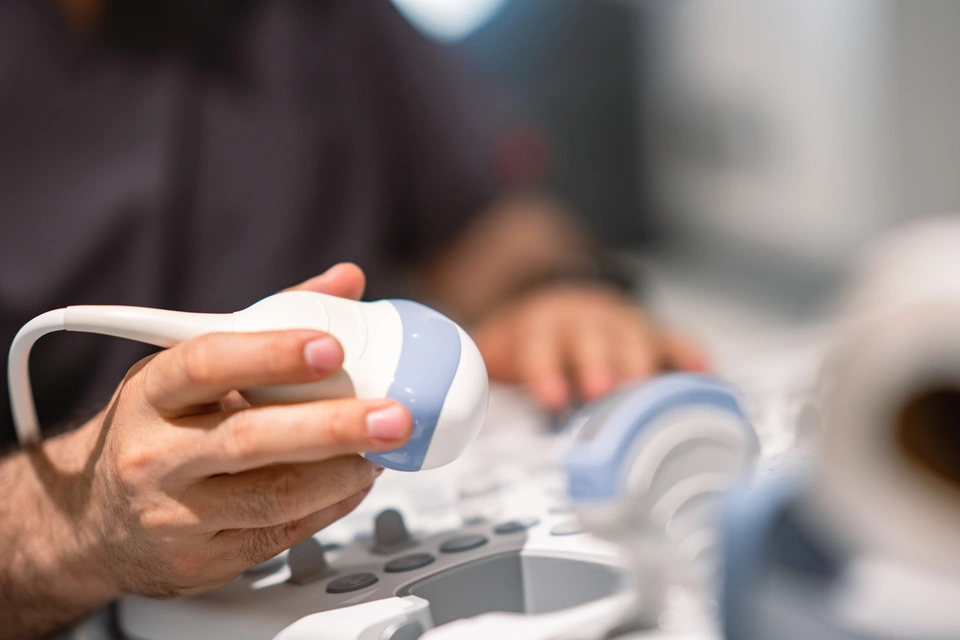
For many women with endometriosis, In Vitro Fertilization (IVF) is the most efficient solution for achieving pregnancy. As a "Scientific Gold Standard" clinic, we utilize adapted protocols to maximize success:
Individualized stimulation protocols are designed to maximize oocyte yield while protecting ovarian reserve and minimizing excesive estrogen exposure.
Endometriomas are managed individually, balancing surgical treatment with preservation of ovarian reserve and future fertility.
When clinically indicated, we evaluate and treat conditions such as chronc endometritis or endometrial abdormalities before embryo transfer.
Embryo transfer is planned according to disease severity, endometrial preparation and individual treatment response.
Time-lapse embryo monitoring and AI-assisted embryo selection support embryo assessement during IVF.
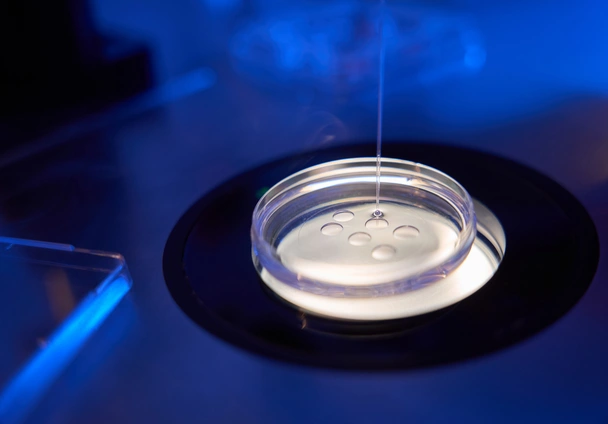
If you are diagnosed with endometriosis at a young age but are not ready for a family, Social Freezing is a vital option. At Gynatal, we recommend vitrifying (freezing) your eggs before major ovarian surgeries to ensure you have high-quality cells stored for the future.
Not always. At Gynatal, we prioritize the ovarian reserve. Repeated surgeries can decrease egg supply, so we often recommend proceeding directly to IVF if the reserve is already low.
Yes, women with mild cases and good ovarian reserve can often conceive naturally within 6–8 months. However, if pregnancy does not occur, assisted reproduction is recommended.
Yes, the inflammatory environment caused by the condition can alter the quality of the oocytes. This is why personalized laboratory techniques in IVF are crucial.