


Priority Consultation
Contact Gynatal as soon as possible and provide the planned date of your cancer treatment, if known.
Protecting Your Future Before Cancer Treatment
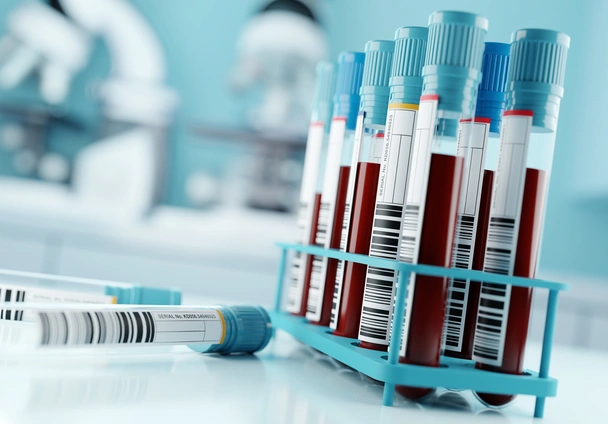
Oncofertility at Gynatal Clinic helps women and men preserve reproductive cells before chemotherapy, radiotherapy or surgery that may affect fertility. Priority assessment and urgent protocols allow egg freezing to be completed in many cases within approximately 10–14 days, while sperm can often be frozen in a single visit. Care is coordinated with the oncology team so that fertility preservation fits safely within the cancer treatment schedule.
Cancer treatment is the immediate priority, but some therapies may permanently damage the ovaries, oocytes, sperm-producing cells or reproductive organs. Discussing fertility early may protect the possibility of having a biological child in the future.
At Gynatal, oncology patients receive priority scheduling. The fertility specialist reviews the diagnosis, planned treatment and available time, and coordinates the proposed procedure with the patient’s oncologist.
Fertility preservation may be recommended before treatments associated with a risk of infertility:
Chemotherapy or Radiotherapy: particularly treatment affecting the pelvis, reproductive organs or the whole body.
Oncological Surgery: procedures involving the ovaries, uterus, testicles or other reproductive structures.
Stem Cell or Bone Marrow Transplantation: treatments that may severely affect ovarian or testicular function.
Other Gonadotoxic Treatments: long-term or intensive therapies that may reduce future fertility.
Mature oocytes are collected after ovarian stimulation and preserved by vitrification. A random-start protocol may allow stimulation to begin without waiting for the next menstrual cycle. The process can often be completed within approximately 10–14 days, depending on the patient’s response and oncology schedule.
Retrieved oocytes may be fertilised with partner or donor sperm and the resulting embryos frozen for future use. The medical, practical and legal implications are explained before the patient makes a decision.
Sperm freezing is usually the fastest method of male fertility preservation. A sample can often be analysed, processed and frozen in one day before the first oncology treatment. When time permits, more than one sample may be recommended.
This specialised option may be considered for selected patients who cannot undergo ovarian stimulation, including some children. Availability and any referral to a specialist centre must be assessed individually.
Contact Gynatal as soon as possible and provide the planned date of your cancer treatment, if known.

The specialist reviews your oncology plan, reproductive health and the time available. Women may need an ultrasound and ovarian reserve tests; men usually undergo semen analysis.

The recommended method and timing are confirmed with the oncology team. Cancer treatment will not be delayed without medical agreement.
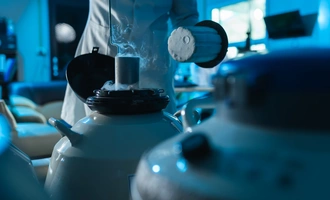
Oocytes are retrieved following stimulation, while sperm is collected directly or, in selected cases, obtained surgically. Suitable cells are processed and frozen in the laboratory.

Stored oocytes, embryos or sperm may be used after recovery, when pregnancy or fertility treatment is considered medically appropriate by the oncology and fertility teams.

Urgent cases are prioritised around the oncology treatment timeline.
Licensed for the processing and storage of reproductive cells.
Samples are handled in a monitored clean-room environment.
Selected consultations and monitoring are available in Arad; procedures and storage take place in Timișoara.